Affiliate Disclosure: This post contains affiliate links. If you buy through one of them, we may earn a commission at no extra cost to you. Our comparison is based on manufacturer specifications and independent expert reviews. Read our full Affiliate Disclosure for details.
Introduction
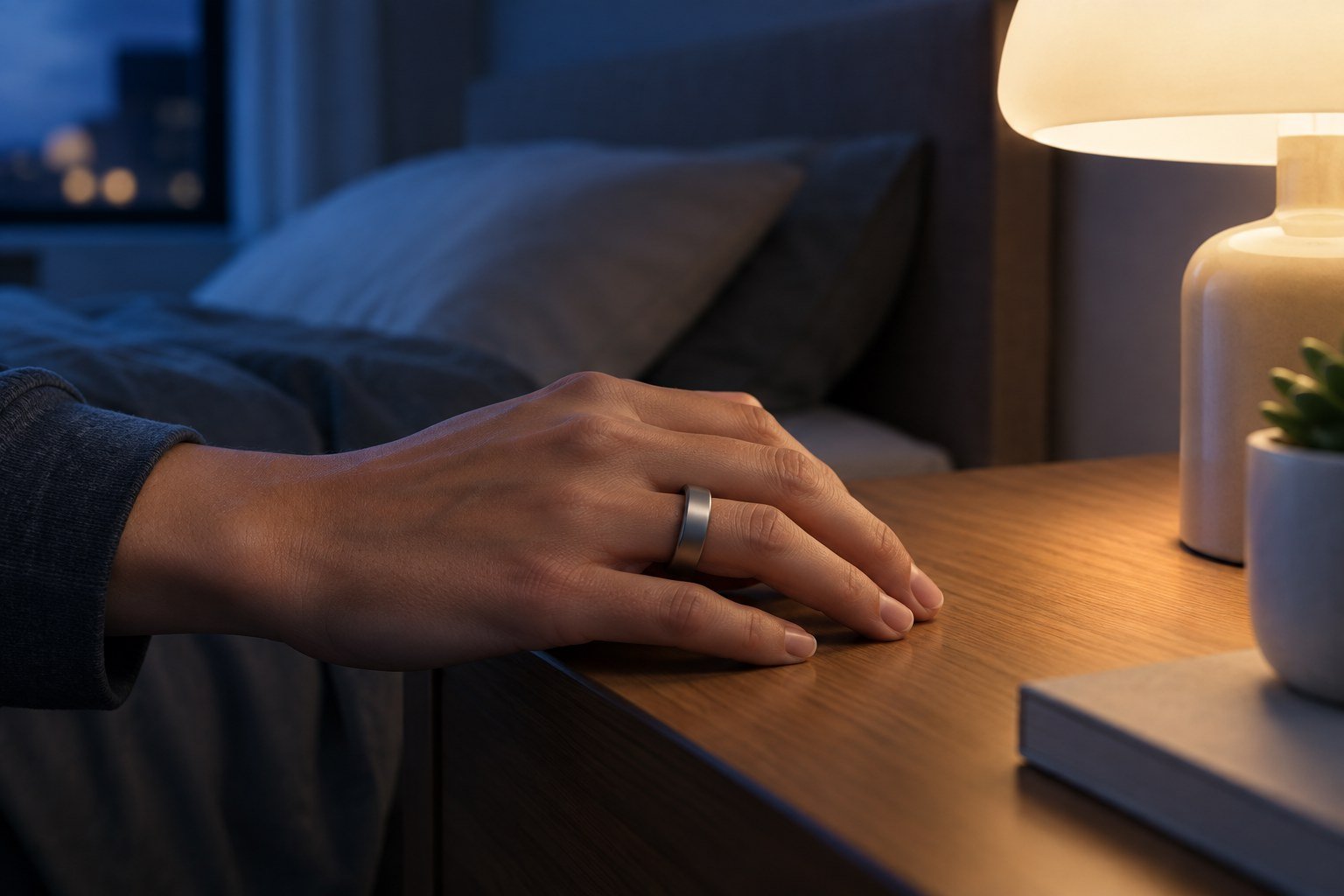
Finding the best sleep tracker ring is easier than it used to be. A smart ring is small enough to forget you are wearing it. It has no screen to glow at 3 a.m. It also sits on a finger, where optical sensors read your pulse very clearly.
That is why rings are now the top choice for people who care about sleep and recovery more than live workout stats. The market has also moved fast. Oura launched its smaller Oura Ring 5 in mid-2026, and subscription-free rivals such as RingConn keep improving. Meanwhile, Samsung’s Galaxy Ring remains the main option for Android fans.
In this guide, we compare the top sleep tracking rings available right now. Our analysis draws on manufacturer specifications and independent reviews from established tech publications. As a result, you can pick the ring that fits your phone, your budget and your tolerance for monthly fees.
Quick Answer: Best Sleep Tracker Ring by Need
- Best overall: Oura Ring 5, for the most polished sleep analysis and the deepest long-term trends (membership required).
- Best for Android and Samsung users: Samsung Galaxy Ring, with no subscription and tight Samsung Health integration.
- Best no-subscription value: RingConn (Gen 2 or Gen 3), with strong sleep data, long battery life and no monthly fee.
- Best budget pick: Amazfit Helio Ring, a cheap way to try ring-based tracking.
Sleep Tracker Rings at a Glance
| Ring | Best for | Starting price* | Subscription | Works with |
|---|---|---|---|---|
| Oura Ring 5 | Best overall sleep insights | ~$399 | Yes, $5.99/month or $69.99/year | iPhone and Android |
| Samsung Galaxy Ring | Android and Samsung users | ~$399 | No | Android (some features need a Galaxy phone) |
| RingConn Gen 2 / Gen 3 | Value without a subscription | ~$299 (Gen 2 Air ~$199) | No | iPhone and Android |
| Ultrahuman Ring Air / Pro | Metabolic and circadian insights | ~$349 (Air) / ~$479 (Pro) | No | iPhone and Android |
| Amazfit Helio Ring | Lowest price | ~$199 | No | iPhone and Android |
*Prices are approximate and change often, especially around Prime Day and Black Friday. Always check current pricing and specifications on the manufacturers’ websites.
How We Compared These Rings
Sleep tracking is only useful if the data is believable and easy to act on. So we focused on the factors that matter most:
- Sleep data depth: sleep stages, heart rate, heart rate variability (HRV), respiratory rate, blood oxygen and skin temperature trends.
- Research and validation: whether independent studies have compared the ring with reference measurements.
- Total cost: the price of the ring plus any subscription over three years.
- Battery life and comfort: a ring you charge constantly, or take off, stops tracking your sleep.
- Phone compatibility: iPhone, Android or both, plus support for Apple Health or Health Connect.
1. Oura Ring 5: Best Overall
Oura pioneered the category, and it still sets the standard for sleep analysis. The Oura Ring 5 arrived in the US in June 2026. It is roughly 40 percent smaller than the Ring 4. Reviewers also keep rating its app as the most polished in the category.
You get sleep stages, a nightly Sleep Score and a readiness score based on HRV, resting heart rate and temperature. In addition, it offers cycle tracking and automatic detection of more than 40 activity types. It works with both iPhone and Android.
The new Health Radar features add overnight blood pressure signals and breathing analysis. It is important to understand what these are. Oura describes them as wellness trends that may point to cardiovascular strain. They are not a blood pressure measurement, and the ring is not a medical device. If a signal worries you, get a real cuff reading and talk to your doctor.
The catch: the ring costs about $399, or up to $499 for premium finishes. The full app also requires Oura Membership at $5.99 per month or $69.99 per year. Over three years, that adds up to roughly $609. On the plus side, both the ring and the membership are HSA/FSA eligible.
Choose it if you want the best sleep data and do not mind a subscription.
2. Samsung Galaxy Ring: Best for Android Users
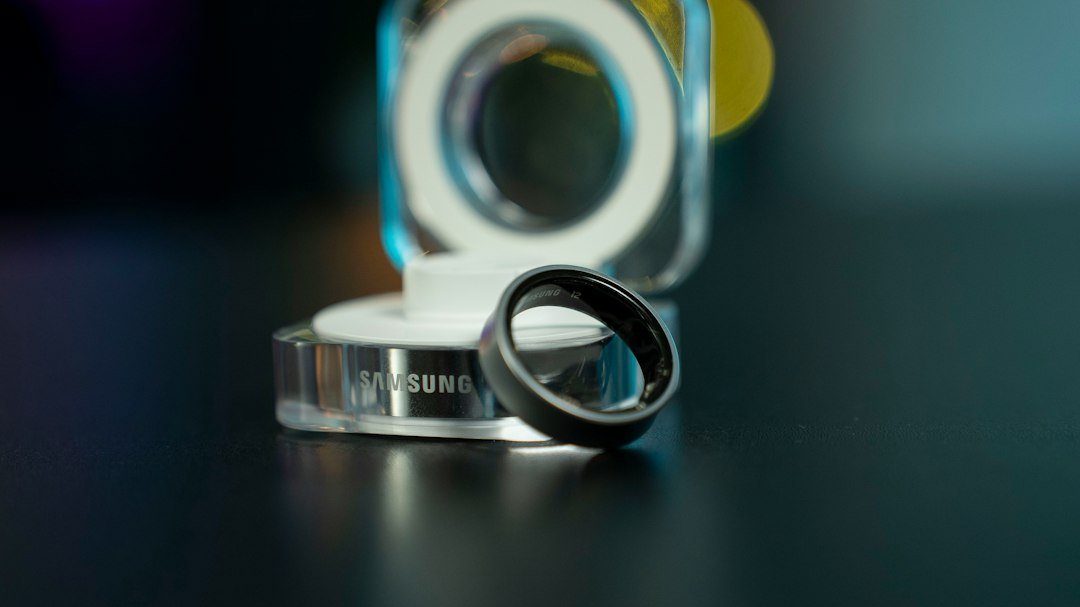
The Galaxy Ring costs about $399 and has no subscription. That is its strongest argument. It weighs only 2.3 to 3 grams, depending on size. It comes in three titanium finishes and sizes 5 to 13, and it lasts about seven days per charge.
It tracks sleep, heart rate, HRV and skin temperature. Samsung Health then turns that data into an Energy Score and wellness tips.
However, the limits are clear. The ring only works with Android phones. Some features, such as Energy Score, also need a Samsung Galaxy phone. Independent validation studies are thinner than for Oura, too.
There is some uncertainty around the product line as well. Samsung and Oura are locked in a patent dispute, and a Galaxy Ring 2 is not expected before early 2027. For a detailed head-to-head, read our Samsung Galaxy Ring vs Oura Ring comparison.
Choose it if you use a Galaxy phone and want solid sleep tracking with no ongoing fees.
3. RingConn Gen 2 and Gen 3: Best Value Without a Subscription
RingConn has become the favorite Oura alternative for people who refuse to pay monthly. The Gen 2 tracks sleep stages, heart rate, HRV, blood oxygen, respiratory rate and temperature trends. Its battery lasts up to about 10 days, and the cheaper Gen 2 Air has been tested at about eight days.
The newer Gen 3, released in May 2026, adds haptic alerts. All of these rings work with iPhone and Android, and none needs a membership. RingConn also reached a licensing agreement with Oura to keep selling in the US.
The trade-offs are a less refined app, limited fitness features and sensors that some users find slightly uncomfortable.
Choose it if you want the best balance of sleep data, battery life and price.
4. Ultrahuman Ring Air and Ring Pro: Strong Software, Availability Caveats
Ultrahuman’s rings are subscription-free. They lean into metabolic and circadian insights, such as caffeine timing and how daily habits affect your sleep. The Ring Air typically costs about $349, while the Ring Pro (launched in early 2026) sits higher at around $479. Reviewers rate the sleep tracking as competitive with Oura for the basics.
Still, Ultrahuman has been affected by a US import ban tied to the same Oura patent dispute. Because of that, availability and support for US buyers can be limited. Check that you can buy the ring and get warranty support in your country before you commit.
5. Amazfit Helio Ring: Best Budget Pick
At about $199 with no subscription, the Amazfit Helio Ring is the cheapest way into ring-based tracking. It covers basic sleep, workout and recovery insights. It also works with iPhone and Android through the Zepp app.
Battery life is about four days. Reviewers find its sleep data less detailed than Samsung, RingConn or Oura, and it puts more emphasis on workouts.
Choose it if you want to test whether a ring suits you before spending more.
What to Look for in a Sleep Tracker Ring
Subscription vs one-time cost
This is the biggest financial decision. Oura’s membership adds around $210 over three years. The Galaxy Ring, RingConn, Ultrahuman and Amazfit charge nothing after purchase. So if you plan to keep a ring for years, the subscription-free options are cheaper in the long run.
Sensors and metrics
Most sleep rings use optical PPG sensors for heart rate, HRV and blood oxygen. They also add a skin temperature sensor and an accelerometer. More metrics do not automatically mean better advice. Look for an app that explains your data in plain language.
Wellness device or medical device?
Nearly all smart rings are wellness devices. They can show you trends, but they do not diagnose sleep disorders. Features related to sleep apnea, blood pressure or heart rhythm are screening or estimation tools only. Check whether a feature has FDA clearance before treating it as more than a prompt to see a doctor.
Sizing and comfort
Fit affects accuracy, so use the sizing kit most brands provide. Rings can also get scratched during heavy grip exercise such as weightlifting. For that reason, many people take them off at the gym.
Ring vs Watch vs Band for Sleep
Rings are the most comfortable option for sleep, but they lack a screen and are weak for live workout tracking. Smartwatches offer notifications and real-time stats, yet many need daily charging. Screenless bands such as Whoop focus on strain and recovery.
If recovery coaching is your main interest, see our comparison of Oura Ring vs Whoop. If you want a full watch instead, our guide to the best smartwatches of 2026 is a good place to start.
Frequently Asked Questions
What is the most accurate sleep tracker ring?
Oura has the most published validation research. It is generally regarded as the most accurate consumer ring for sleep staging. However, no consumer ring matches a clinical sleep study, so treat the data as a guide to trends rather than a precise measurement.
Do I need a subscription for a sleep tracker ring?
Only for Oura, which requires a membership to unlock most insights. The Galaxy Ring, RingConn, Ultrahuman and Amazfit rings include their core features in the purchase price.
Which smart ring works with iPhone?
Oura, RingConn, Ultrahuman and Amazfit all work with iPhone. The Samsung Galaxy Ring is Android only.
Can a smart ring detect sleep apnea?
Some devices offer breathing-related alerts, but a ring cannot diagnose sleep apnea. If you snore loudly, wake up gasping or feel exhausted after a full night in bed, talk to a doctor about a proper sleep study.
How long does a smart ring battery last?
Most rings last between four and ten days per charge, depending on the model and the features you use.
The Bottom Line
For most people, the Oura Ring 5 is the best sleep tracker ring in 2026, provided you accept a small membership. If you use an Android phone and dislike subscriptions, the Samsung Galaxy Ring is a natural fit. RingConn is the best all-round value for anyone on iPhone or Android. Pick the ring that matches your phone and budget. Remember that consistent nightly wear matters more than any single spec.
Sources
We do not test devices ourselves. This article was written using manufacturer specifications and reporting from independent technology and health publications, including:
- Oura’s official ring specifications and membership pricing — ouraring.com
- Samsung Galaxy Watch/Ring specification data — Samsung specification sheet
- Independent reporting on the ring category and its patent dispute — TechRadar
Last updated: September 2026. Prices, subscription terms and availability change often and vary by country — always confirm current details with the manufacturer before buying.
Medical Disclaimer: This article is for informational purposes only and does not constitute medical advice. Smart rings are consumer wellness devices, not medical devices. Their sleep, heart rate, blood oxygen and blood-pressure-related features are estimation and screening tools rather than diagnostic instruments. Always consult a qualified healthcare provider before making decisions about your health, especially if you have a sleep disorder, a heart condition or another medical concern.
Pingback: Oura Ring vs Whoop 2026: Which Is Better for Sleep?
Pingback: Samsung Galaxy Ring vs Oura Ring - healthwearableguide.com
Pingback: Whoop vs Fitbit for recovery - healthwearableguide.com