Affiliate Disclosure: This post may contain affiliate links. If you buy through one of them, we may earn a commission at no extra cost to you. Our picks are based on manufacturer information, FDA records and published reviews. Read our full Affiliate Disclosure for details.
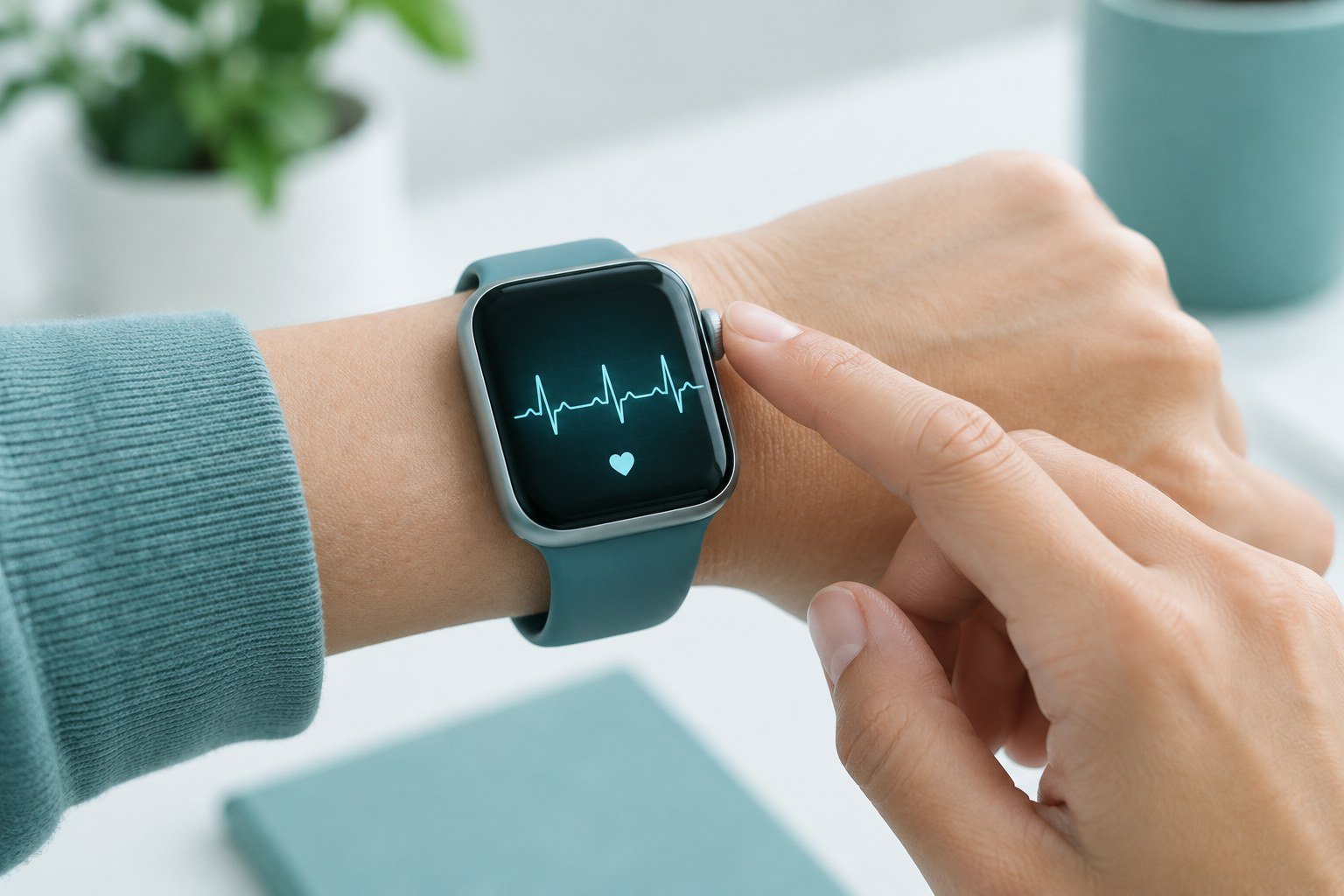
The best smartwatch for AFib detection combines an FDA-cleared ECG app with background irregular rhythm notifications, so you get both an on-demand check and passive monitoring. Atrial fibrillation (AFib) is an irregular heart rhythm linked to a higher stroke risk, and catching it early can matter. No watch diagnoses AFib on its own, but the right one gives you and your doctor useful data.
Below, we compare the watches with real FDA clearance for AFib-related features, what they can and cannot do, and how to pick between them.
Quick Answer
- Best overall: Apple Watch, with an FDA-cleared ECG app, Irregular Rhythm Notifications and AFib History for burden tracking.
- Best for Android: Samsung Galaxy Watch, with FDA-cleared ECG and irregular rhythm notifications.
- Best for Google phones: Google Pixel Watch, with ECG and rhythm notifications built on Fitbit’s algorithm.
- Best for athletes: Garmin, with an FDA-cleared, on-demand ECG app on select models.
What AFib Detection on a Smartwatch Actually Means
Two different features get lumped together as «AFib detection,» and they work differently:
- ECG app: You place a finger on the watch’s crown or bezel for about 30 seconds. The watch records electrical activity and classifies the reading, often as sinus rhythm, AFib, or inconclusive.
- Irregular rhythm notifications: The watch passively checks your pulse in the background, without you doing anything, and alerts you if it repeatedly sees a pattern consistent with AFib.
Apple also offers a third feature, AFib History, intended for people already diagnosed with AFib. It estimates AFib burden, meaning how much of the past week was spent in AFib, and is meant for users 22 and older.
The Best Smartwatches for AFib Detection at a Glance
| Watch | ECG app | Irregular rhythm notifications | AFib burden tracking |
|---|---|---|---|
| Apple Watch (Series 4 and later for ECG) | Yes, FDA-cleared | Yes | Yes (AFib History) |
| Samsung Galaxy Watch | Yes, FDA-cleared | Yes | No |
| Google Pixel Watch | Yes | Yes | No |
| Garmin (select models) | Yes, FDA-cleared | No | No |
1. Apple Watch: Best Overall
Apple’s ECG app was one of the first cleared by the FDA for consumer use, and the watch adds two more layers. Irregular Rhythm Notifications run in the background and prompt you to take an ECG if a pattern looks suspicious. For people already diagnosed with AFib, AFib History goes further: it opportunistically analyzes pulse data to produce a weekly estimate of how much time you spent in AFib, a measure the FDA calls «AFib burden.» The feature became the first digital health tool qualified under the FDA’s Medical Device Development Tools program, which means the FDA accepts it as a reliable secondary endpoint in clinical trials, including studies on cardiac ablation.
AFib History requires wearing the watch consistently, generally at least 12 hours a day for five days a week, and it does not detect other arrhythmias like atrial flutter.
Trade-offs: Requires an iPhone. AFib History is meant for people already diagnosed with AFib, not as a first screening tool. Compare more features in our best smartwatch for heart health guide.
2. Samsung Galaxy Watch: Best for Android
Samsung’s Galaxy Watch line offers an FDA-cleared ECG app plus irregular heart rhythm notifications. Both work through the Samsung Health Monitor app and require a compatible Samsung Galaxy phone. Samsung has continued to expand its heart features, including sleep apnea detection on newer models.
Trade-offs: Locked to the Samsung ecosystem. No dedicated AFib burden tracking like Apple’s AFib History.
3. Google Pixel Watch: Best for Google Phones
Pixel Watch includes both an ECG app and irregular rhythm notifications, built on Fitbit’s heart algorithms. It pairs well with the watch’s other safety features, including Loss of Pulse Detection on Pixel Watch 3 and later.
Trade-offs: No long-term AFib burden estimate. Battery life is shorter than Garmin’s.
4. Garmin: Best for Athletes
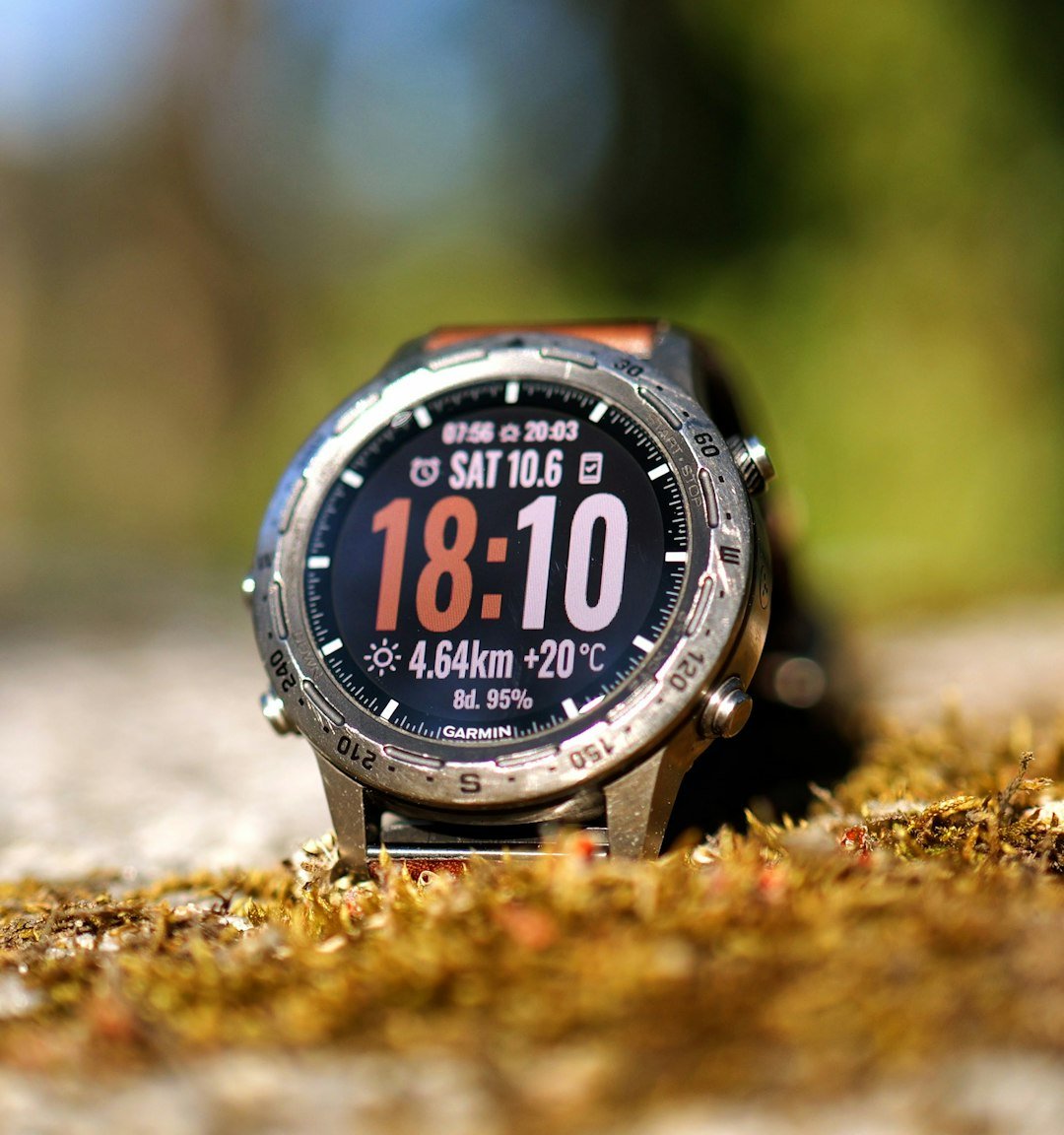
Garmin’s ECG app is FDA-cleared and available on select Venu, fēnix, Epix Pro and Forerunner models. You start the 30-second reading manually, and the app classifies your rhythm as normal or shows signs of AFib.
Trade-offs: No background irregular rhythm notifications, so you have to remember to check. See our Apple Watch vs Garmin comparison for more on this trade-off.
What These Features Cannot Do
- They cannot detect a heart attack. ECG apps only look for AFib and related rhythm signs.
- They can miss episodes. AFib can be intermittent, and a single 30-second reading can land during a normal-rhythm window.
- They are not for people already using a pacemaker in some cases. Check your watch’s instructions for use, as some ECG apps are not validated with certain implanted devices.
- Readings can be inconclusive. Movement, a loose fit or skin conditions can prevent a clear reading.
What to Do If You Get an AFib Alert
- Stay calm. An alert is a suggestion to check further, not a diagnosis.
- Take an ECG reading if your watch supports it, while sitting still.
- Save or export the reading, then share it with your doctor.
- Seek urgent care if you also have chest pain, severe shortness of breath or fainting.
Which Should You Choose?
Choose Apple Watch if you:
- Have been diagnosed with AFib and want burden tracking
- Want the most complete set of cleared features
Choose Galaxy Watch or Pixel Watch if you:
- Use Android and want both ECG and background alerts
Choose Garmin if you:
- Want an occasional on-demand check alongside serious training data
For a broader look at heart features, see our best smartwatch for heart health guide, and check blood pressure options in our best blood pressure smartwatch article.
Frequently Asked Questions
Which smartwatch is most accurate for AFib?
Apple, Samsung and Garmin all have FDA-cleared ECG apps that performed well in clinical studies. Accuracy depends on wear and positioning too, not just the brand.
Can a smartwatch replace a heart monitor from my doctor?
No. A prescribed ambulatory monitor, like a Holter or patch monitor, records continuously and is validated for diagnosis. A smartwatch is a screening tool.
Do I need a diagnosis before using these features?
No, for the ECG app and irregular rhythm notifications. Apple’s AFib History is specifically intended for people already diagnosed with AFib.
What age can use ECG apps?
Most ECG apps are intended for users 22 and older, matching Apple’s stated age range for AFib History.
Will my watch call for help during an AFib episode?
No. AFib features only notify you. Emergency calling on wearables (like fall detection or Loss of Pulse Detection) is a separate feature.
The Bottom Line
The best smartwatch for AFib detection depends on your phone and your needs. Apple Watch offers the most complete picture, especially for people already diagnosed with AFib. Samsung Galaxy Watch and Pixel Watch bring similar ECG and notification features to Android. Garmin suits people who want an occasional check without giving up long battery life. Whatever you choose, treat any alert as a reason to see your doctor, not a diagnosis.
Last reviewed: September 2026.
This article was researched and written by our editorial team using the sources below, following the process described on our About Us page. It is not written or reviewed by a medical professional. See also our related guides on heart health and blood pressure monitoring.
Sources
- Apple — AFib History Instructions for Use
- U.S. Food and Drug Administration — Medical Device Development Tool qualification for AFib burden estimation
- Garmin Newsroom — Garmin ECG app expansion
- Google Blog — Pixel Watch heart and rhythm features
Medical Disclaimer: This article is for informational purposes only and does not constitute medical advice. Smartwatch ECG and rhythm notification features are screening tools and are not a substitute for professional diagnosis or ambulatory cardiac monitoring prescribed by a doctor. They cannot diagnose, treat or prevent any condition. Features, regulatory status and prices change over time, so verify details with the manufacturers. Always consult your healthcare provider about heart rhythm concerns.
Pingback: Best Smartwatch for Heart Health in 2026 (ECG Compared)
Pingback: Best Smartwatch for Sleep Apnea Detection in 2026
Pingback: Can a Smartwatch Detect a Heart Attack? What Experts Say
Pingback: Best Blood Pressure Smartwatch 2026: What Really Works