Affiliate Disclosure: This post may contain affiliate links. If you buy through one of them, we may earn a commission at no extra cost to you. Our picks are based on manufacturer information, FDA records and published reviews. Read our full Affiliate Disclosure for details.
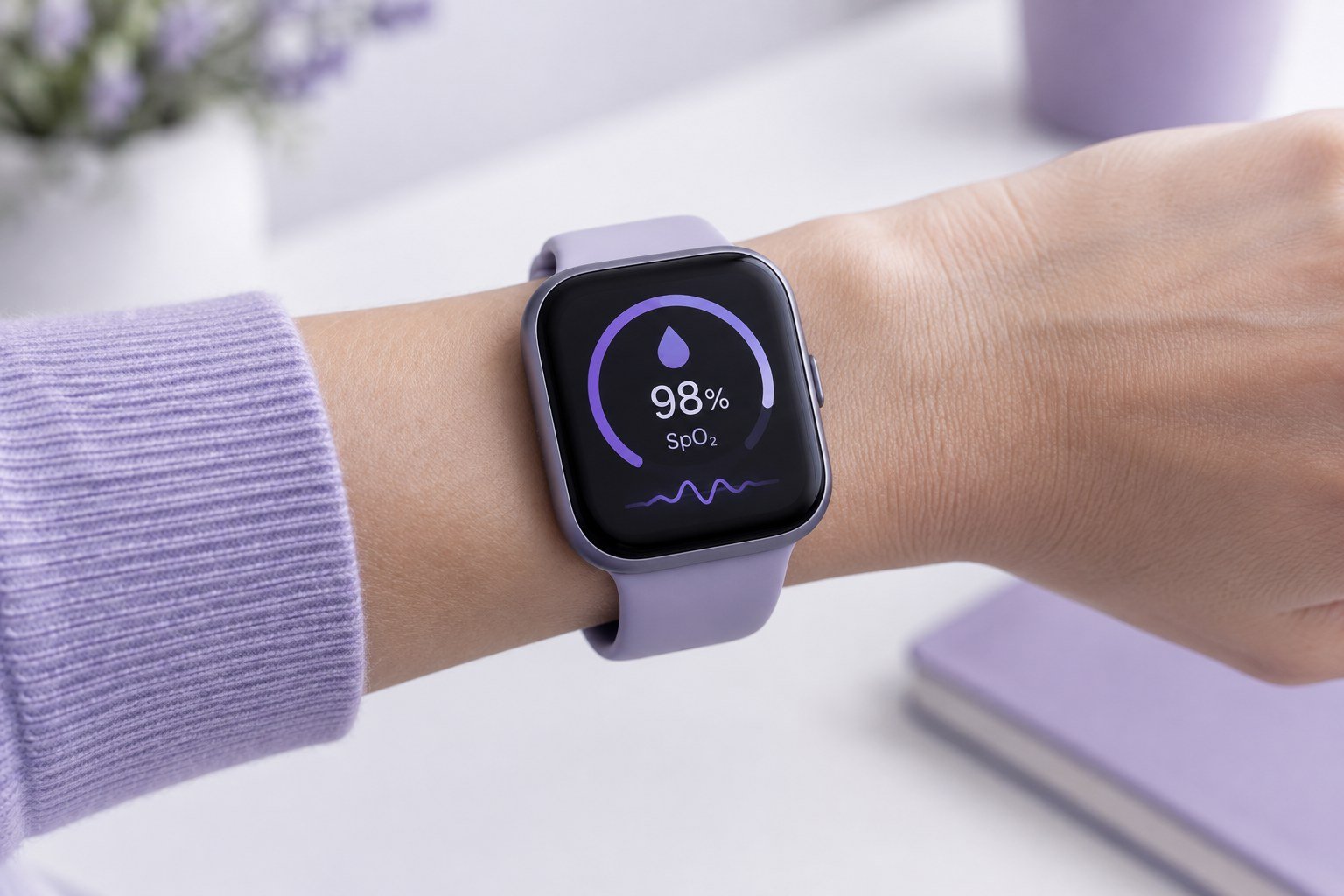
The best wearable for blood oxygen monitoring depends on whether you want overnight trend data, a single spot check, or a device built for a specific health condition. Blood oxygen saturation (SpO2) sensors use light to estimate how much oxygen your red blood cells are carrying. On a wearable, that reading is a wellness estimate, not a medical-grade measurement, but it can still be useful for spotting overnight patterns worth discussing with a doctor.
Below, we compare five wearables that track blood oxygen, including one whose availability has been shaped by a long-running patent dispute.
Quick Answer
- Best for overnight tracking: Garmin, with continuous SpO2 tracking on many models.
- Best for sleep-focused users: Oura Ring, which pairs SpO2 with detailed sleep staging.
- Best if you already own an iPhone: Apple Watch, now that its blood oxygen feature works again in the US, with data shown on the iPhone.
- Best for Android and Samsung phones: Samsung Galaxy Watch, with on-demand and background SpO2 tracking.
- Best budget option: Google Pixel Watch, which includes SpO2 tracking within its Fitbit-based health app.
How Wearable Blood Oxygen Sensors Work
Most wearables use a pulse oximetry sensor, shining light through your skin and measuring how much is absorbed by oxygen-carrying blood. This is the same basic principle as a clip-on pulse oximeter, but wrist and finger placement, skin tone, movement and temperature can all affect accuracy. The FDA has noted that pulse oximeters, including wearables, can be less accurate for people with darker skin pigmentation, which is one reason wearable SpO2 features are labeled for wellness use rather than diagnosis.
The Best Wearables for Blood Oxygen Monitoring at a Glance
| Wearable | Tracking type | Works with | Notable strength |
|---|---|---|---|
| Garmin (most modern models) | On-demand and continuous background tracking | iPhone and Android | Long battery life for multi-day tracking |
| Oura Ring | Overnight tracking | iPhone and Android | Detailed sleep and readiness context |
| Apple Watch (Series 9, 10, Ultra 2 and later) | On-demand, data shown on iPhone | iPhone | Integrated with other Apple health features |
| Samsung Galaxy Watch | On-demand and background tracking | Samsung Galaxy phones | Pairs with ECG and sleep apnea features |
| Google Pixel Watch | On-demand and overnight tracking | Android | Simple Fitbit app experience |
1. Garmin: Best for Overnight Tracking
Garmin’s Pulse Ox sensor is available on most of its modern watches and can run continuously in the background, including overnight, or be triggered manually. Because Garmin watches often have multi-day battery life, continuous SpO2 tracking does not force you to charge as often as some competitors.
Trade-offs: Continuous tracking uses more battery than spot checks. Accuracy in real-world use, as with all wrist sensors, can vary with fit and movement. See our Apple Watch vs Garmin comparison for a fuller picture.
2. Oura Ring: Best for Sleep-Focused Users
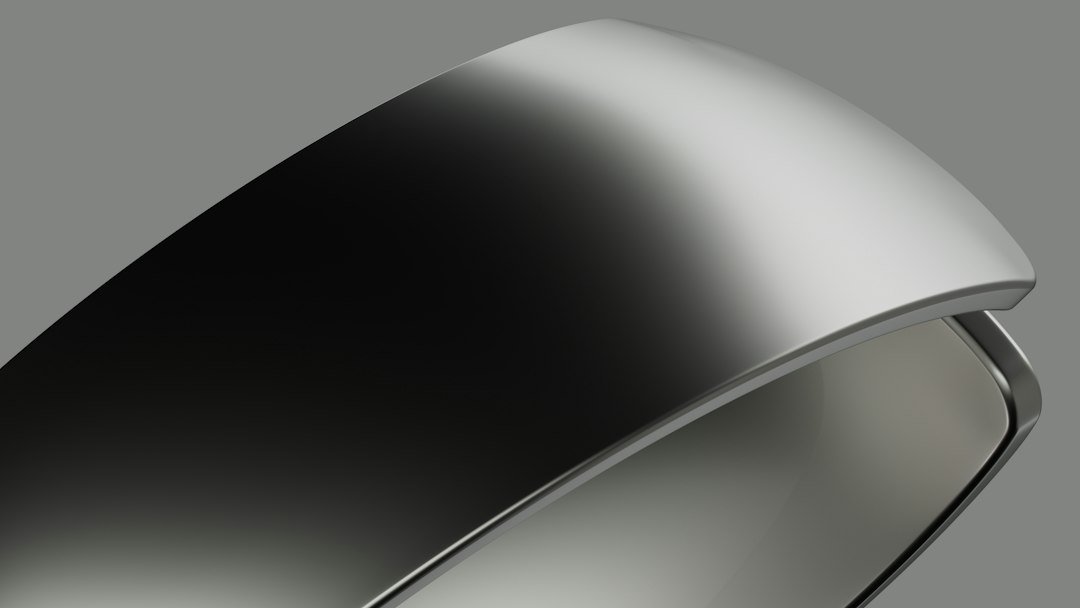
Oura built its reputation on sleep tracking, and its ring form factor takes an SpO2 reading each night as part of that picture. Because a ring sits on a finger rather than the wrist, some users find it more comfortable to wear to bed than a watch.
Trade-offs: No daytime, on-demand SpO2 checks in the way a watch offers. A subscription is required for full app features. Compare it with a wrist-based tracker in our Oura Ring vs Whoop guide.
3. Apple Watch: Best for iPhone Users
Apple Watch’s blood oxygen story has been unusual. The company disabled the feature on US models in January 2024 during a patent dispute with medical device maker Masimo. In August 2025, Apple restored the feature using a redesign in which the watch collects the sensor data but a paired iPhone processes and displays the reading. In April 2026, the International Trade Commission closed its case after an administrative judge found the redesigned feature does not infringe Masimo’s patents, though Masimo has continued to challenge the outcome in other venues.
Trade-offs: You need a paired iPhone nearby to view your blood oxygen level, since it is not shown on the watch face itself. Only Series 9, Series 10, Ultra 2 and later models support the restored feature.
4. Samsung Galaxy Watch: Best for Samsung Phone Owners
Samsung’s Galaxy Watch line includes SpO2 tracking that works both on demand and, on some models, as part of automatic background tracking during sleep. It sits alongside Samsung’s other cleared heart features, including ECG and irregular rhythm notifications.
Trade-offs: Full functionality needs a Samsung Galaxy phone. Continuous tracking affects battery life, similar to other watches.
5. Google Pixel Watch: Best Budget-Friendly Pick
Pixel Watch includes SpO2 tracking within its Fitbit-based app, giving both on-demand readings and overnight estimates as part of your sleep summary.
Trade-offs: Some deeper health insights sit behind a Fitbit Premium subscription. Battery life is shorter than Garmin’s.
What Wearable Blood Oxygen Readings Cannot Do
- They are not medical-grade. A clinical, finger-clip pulse oximeter used in hospitals is validated differently than a wearable.
- They can be less accurate for some skin tones. The FDA has flagged that pigmentation can affect pulse oximetry accuracy across devices, not just wearables.
- They do not diagnose sleep apnea or lung disease on their own. Low readings can be a prompt to see a doctor, not a diagnosis.
- They should not delay emergency care. Severe shortness of breath or bluish lips or skin need immediate medical attention, regardless of what a wearable shows.
Which Should You Choose?
Choose Garmin if you:
- Want continuous, multi-day tracking without constant charging
Choose Oura Ring if you:
- Prioritize sleep tracking and prefer a ring over a watch
Choose Apple Watch or Galaxy Watch if you:
- Want blood oxygen alongside a full smartwatch experience tied to your phone
For a broader view of heart-related features, see our best smartwatch for heart health guide.
Frequently Asked Questions
What is a normal blood oxygen level?
Typical readings for healthy people are usually 95% or above, though normal ranges can vary by individual and altitude. Ask your doctor what range applies to you.
Is Apple Watch blood oxygen tracking back in the US?
Yes, on Series 9, Series 10 and Ultra 2 or later, through a redesigned feature that displays data on a paired iPhone rather than the watch.
Which wearable is most accurate for blood oxygen?
No consumer wearable is considered medical-grade. Garmin, Samsung and Oura all publish similar wellness-level accuracy expectations; positioning and skin contact matter more than brand in day-to-day use.
Can a wearable detect sleep apnea from blood oxygen data?
Some devices use SpO2 patterns as one input into separate, specifically cleared sleep apnea features, but a low SpO2 reading alone is not a diagnosis.
Do I need a subscription to see blood oxygen data?
Not usually for basic readings. Deeper trends and insights sometimes sit behind a subscription, such as Fitbit Premium or Oura’s membership.
The Bottom Line
The best wearable for blood oxygen monitoring comes down to how you want to use the data. Garmin leads for continuous, multi-day tracking. Oura Ring is best if sleep is your main focus. Apple Watch and Samsung Galaxy Watch fit naturally if you already use those phones. Treat any reading as one data point, and talk to your doctor about any consistent, unexpected drops.
Last reviewed: September 2026.
This article was researched and written by our editorial team using the sources below, following the process described on our About Us page. It is not written or reviewed by a medical professional.
Sources
This article also relies on manufacturer specifications from Garmin, Oura, Apple and Samsung. See our related guide on heart health features for more.
- Fierce Biotech — Apple restores blood oxygen tracking on Apple Watch in the US
- 9to5Mac — ITC closes Apple Watch import ban case in the Masimo dispute
Last updated: September 2026. Feature availability and regulatory status change over time and vary by country — always confirm current details with the manufacturer.
Medical Disclaimer: This article is for informational purposes only and does not constitute medical advice. Wearable blood oxygen features are wellness tools, not medical devices, and are not a substitute for a clinical pulse oximeter or professional care. They cannot diagnose, treat or prevent any condition. Features, regulatory status and prices change over time, so verify details with the manufacturers. Always consult your healthcare provider about any health concerns.
Pingback: Best Smartwatch for Heart Health in 2026 (ECG Compared)