Affiliate Disclosure: This post contains affiliate links. If you buy through one of them, we may earn a commission at no extra cost to you. Our picks are based on manufacturer specifications and independent expert reviews. Read our full Affiliate Disclosure for details.
Introduction
A decade ago, a cheap fitness tracker was little more than a step counter. Today, even trackers under $100 typically include all-day heart rate monitoring, sleep tracking, stress scores, water resistance and, on some models, built-in GPS and AMOLED screens. The trade-offs have shifted: instead of asking whether a budget tracker is any good, the real question is which compromise you’re willing to make.
In this guide, we compare the best budget fitness trackers of 2026, from around $50 to $100, and explain what each one does well, where it cuts corners and who it suits. Our picks draw on manufacturer specifications and independent reviews from established tech publications. For higher-end options, see our guide to the best fitness trackers of 2026.
Quick Answer: Our Top Picks
- Best overall budget tracker: Fitbit Inspire 3
- Best for GPS on a budget: Amazfit Bip 6
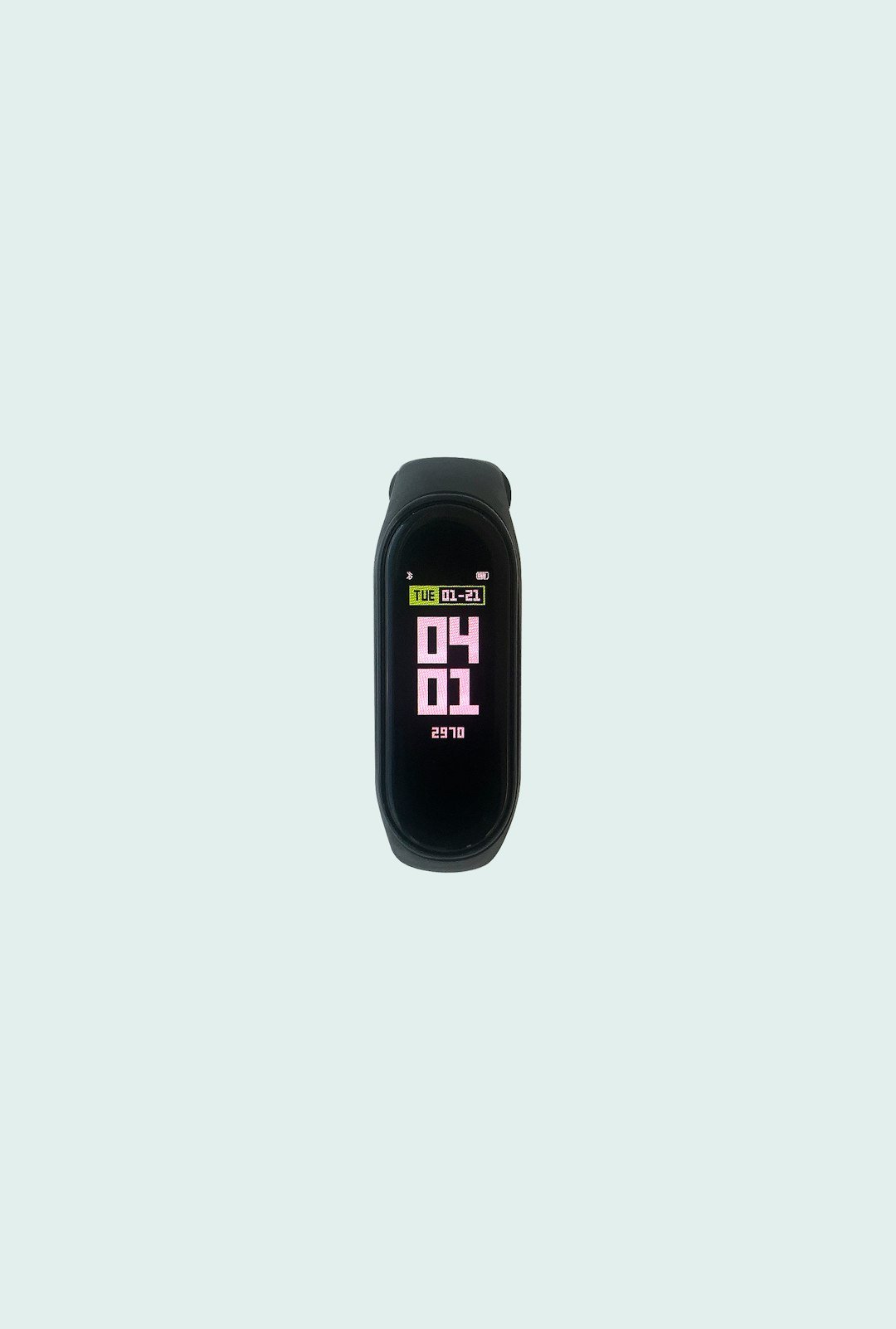
- Best under $50: Xiaomi Smart Band 10 or Amazfit Band 7
- Best for Samsung phone users: Samsung Galaxy Fit3
- Best with no subscription and Garmin data: Garmin Vivosmart 5
- Best screenless option: Fitbit Air
Comparison Table
| Tracker | Approx. Price* | Built-in GPS | Battery Life | Best For |
|---|---|---|---|---|
| Fitbit Inspire 3 | ~$80-99 | No | ~10 days | Sleep and easy app |
| Amazfit Bip 6 | ~$80 | Yes | ~14 days | Budget GPS |
| Xiaomi Smart Band 10 | ~$50 | No | Up to ~2-3 weeks | Lowest price |
| Amazfit Band 7 | Under ~$50 | No | ~18 days | Ultra-budget buyers |
| Samsung Galaxy Fit3 | ~$60-70 | No | Multi-day | Samsung phone owners |
| Garmin Vivosmart 5 | ~$99 (often on sale) | No (uses phone GPS) | Up to ~7 days | No subscription |
| Fitbit Air | ~$100 | No | ~7 days | Screenless coaching |
*Prices and battery figures are approximate, change often and vary by retailer. Always confirm current pricing and specifications before buying.
Fitbit Inspire 3: Best Overall Budget Tracker
The Fitbit Inspire 3 remains a favorite among reviewers because it nails the basics: reliable heart rate monitoring, accurate step and workout tracking, sleep stages and a bright AMOLED screen in a lightweight band with around 10 days of battery life. The Fitbit app is one of the easiest to use, turning heart rate, sleep and skin-temperature trends into a clear daily dashboard.
What we like
- Excellent battery life and a comfortable, lightweight design
- Clear app with useful sleep and stress insights
- Water resistant to 50 meters for swimming
What to consider
- No built-in GPS or NFC payments
- Small screen and some deeper insights, such as sleep coaching, need Google’s optional premium subscription (formerly Fitbit Premium)
Best for: First-time tracker buyers who want an easy-to-use band for everyday health, sleep and activity tracking.
Amazfit Bip 6: Best for Budget GPS
If you run or hike and don’t want to carry your phone, the Amazfit Bip 6 is one of the few watches at this price with built-in multi-system GPS. It looks like a small smartwatch, offers around two weeks of battery life and covers the basics of heart rate, sleep and workout tracking.
Best for: Outdoor exercisers who want GPS tracking without paying for a full sports watch.
Xiaomi Smart Band 10 and Amazfit Band 7: Best Under $50
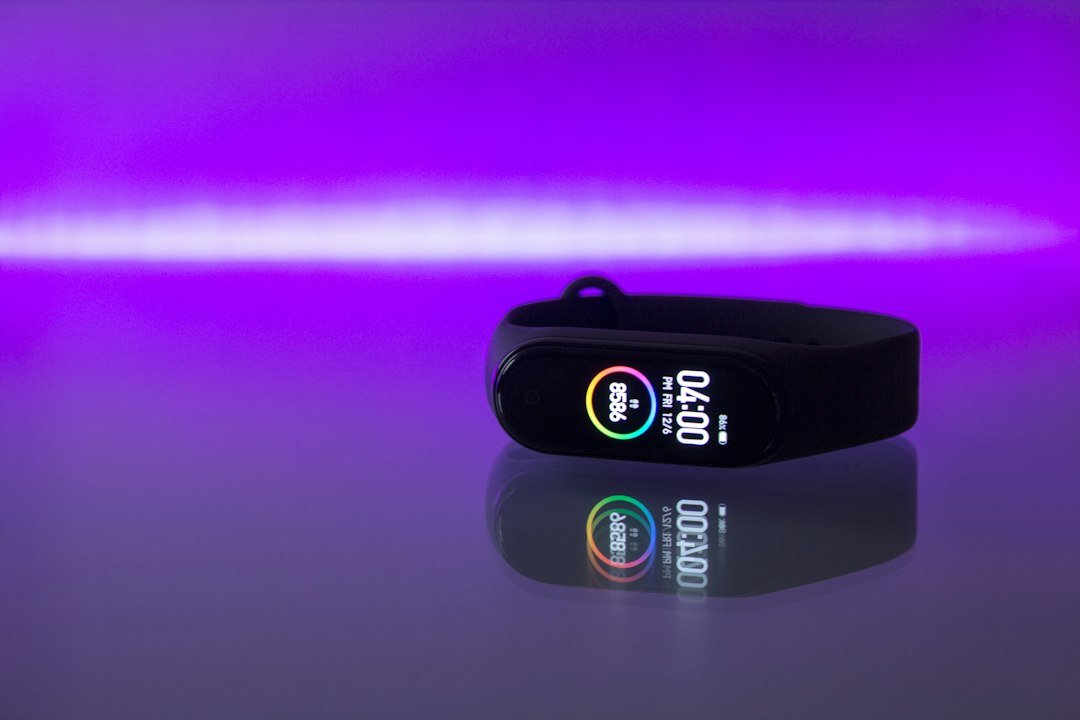
If your budget is tight, these two deliver a lot for the money. The Xiaomi Smart Band 10 offers a bright AMOLED display, sleep and heart rate tracking, more than 100 workout modes and multi-week battery life, while the Amazfit Band 7 is rated for about 18 days of battery and is regularly ranked by reviewers as one of the best trackers under $50. Neither has built-in GPS or ECG, and Amazfit’s Zepp app offers an optional paid tier.
Best for: Anyone who wants core tracking at the lowest possible price.
Samsung Galaxy Fit3: Best for Samsung Phone Users
The Galaxy Fit3 is a slim, affordable tracker that works best with Samsung Galaxy phones and Samsung Health. It covers heart rate, sleep and workout tracking with a clean screen and multi-day battery life, at a price that often sits around $60 to $70.
Best for: Samsung phone owners who want a simple, inexpensive companion tracker.
Garmin Vivosmart 5: Best With No Subscription
Garmin’s Vivosmart 5 offers all-day heart rate, sleep, stress and Body Battery tracking in a slim, screen-only band, and it doesn’t require a subscription for core features. It relies on your phone’s GPS rather than built-in GPS and uses a less flashy display than rivals, but many users appreciate Garmin’s reliable data and app. Garmin is also expected to release a successor, so watch for discounts.
Best for: People who want Garmin’s analytics and no ongoing fees.
Fitbit Air: Best Screenless Budget Option
Google’s Fitbit Air costs around $100 and takes a Whoop-style approach: no screen, continuous tracking and AI-powered coaching in the app. It’s a good match for people who want discreet 24/7 tracking without a display to distract them, but you’ll need your phone to check your stats.
Best for: Minimalists who want passive tracking and coaching without a screen.
How to Choose the Best Budget Fitness Tracker
- Decide whether you need built-in GPS. Most sub-$100 bands rely on your phone for GPS. If you want to leave your phone at home, look at the Amazfit Bip 6 or a Fitbit Charge 6 on sale.
- Check the subscription. Some brands lock advanced insights behind a monthly fee, which can double the real cost over a year. Garmin and most Amazfit and Xiaomi features work without one.
- Look at your phone. Samsung’s Fit3 is designed for Galaxy phones, while Fitbit, Garmin and Amazfit work well with both iPhone and Android.
- Prioritize battery life if you sleep with it. Longer battery life means fewer gaps in sleep data.
- Be realistic about accuracy. Reviewers note that trackers from established brands such as Fitbit and Garmin tend to be more reliable than the cheapest generic bands, but all wrist trackers provide estimates, not clinical measurements.
Frequently Asked Questions
Are cheap fitness trackers accurate?
Budget trackers from established brands are generally accurate enough for tracking daily trends in steps, heart rate and sleep. Readings such as blood oxygen and calories burned are estimates, and the cheapest generic bands are usually less consistent.
What is the best fitness tracker under $100?
The Fitbit Inspire 3 is the most frequently recommended pick for overall balance. If you need built-in GPS, look at the Amazfit Bip 6, and if you want the lowest price, the Xiaomi Smart Band 10 or Amazfit Band 7 are strong choices.
Do cheap fitness trackers need a subscription?
Most work without one. Fitbit and Amazfit offer optional paid tiers for advanced insights, while Garmin’s core features are free.
Can I swim with a budget fitness tracker?
Many can. Look for 5 ATM (50-meter) water resistance, which the Fitbit Inspire 3, Xiaomi Smart Band, Galaxy Fit3 and Amazfit models generally list. Confirm the rating for your specific model.
Is a fitness tracker worth it compared with a smartwatch?
If you mainly want steps, sleep and heart rate at a low price and with long battery life, a tracker is usually enough. If you want apps, calls and payments, a smartwatch is the better fit.
The Bottom Line
For most people, the Fitbit Inspire 3 is the best balance of features, comfort and ease of use at a budget price. Choose the Amazfit Bip 6 if you need GPS, the Xiaomi Smart Band 10 or Amazfit Band 7 if you want to spend as little as possible, and the Garmin Vivosmart 5 if you want no subscription and Garmin’s data.
Sources
We do not test devices ourselves. This article was written using manufacturer specifications and reporting from independent technology publications, including:
- Fitbit official product line (Google Store) — store.google.com
- Garmin’s official Vivosmart and vívoactive documentation — garmin.com
- Independent coverage of Garmin’s budget and mid-range lineup — Android Authority
Last updated: September 2026. Prices change often and vary by retailer and region — always confirm current pricing before buying.
Medical Disclaimer: This article is for informational purposes only and does not constitute medical advice. Fitness trackers are wellness devices, not medical devices, and their heart rate, sleep, blood oxygen and calorie readings are estimates rather than clinical measurements. Always consult a qualified healthcare provider before making decisions about your health.
Pingback: Best Fitness Tracker No Subscription (2026 Picks)