Affiliate Disclosure: This post may contain affiliate links. If you buy through one of them, we may earn a commission at no extra cost to you. Our picks are based on manufacturer information, regulatory announcements and published reviews. Read our full Affiliate Disclosure for details.
The Best Glucose Monitor for Non-Diabetics in 2026
The best glucose monitor for non-diabetics is no longer a mystery product locked behind a prescription. Since 2024, two continuous glucose monitors (CGMs) have been sold over the counter in the U.S. Several coaching programs now build on top of them.
That gives you real choices, and it also creates confusion. Which sensor is accurate enough? Which app helps you learn something? And which options should you avoid? This guide ranks the main options and explains the trade-offs in plain language.
Quick Answer
- Best overall: Dexcom Stelo, for longer sensor life and strong app integrations.
- Best budget trial: Abbott Lingo, for a low-cost first sensor and simple daily scoring.
- Best for guidance: a coaching program such as Nutrisense, Levels or Signos, if you want extra support and accept a higher price.
- Avoid: any watch or ring that claims to measure blood glucose without a sensor under the skin.
How We Chose
We compared each option on five points. First, regulatory status. Second, sensor life and reported accuracy. Third, app quality. Fourth, total cost. Finally, safety limits. Our analysis relies on manufacturer information, FDA announcements and independent reviews. We did not run lab tests ourselves.
Best Glucose Monitors for Non-Diabetics at a Glance
| Option | Best for | Sensor life | Approximate cost* |
|---|---|---|---|
| Dexcom Stelo | Overall value and integrations | Up to 15 days | About $89 to $99 per month |
| Abbott Lingo | Low-cost trial and coaching score | Up to 14 days | About $49 per sensor, $89 for two |
| Coaching programs | Extra guidance and accountability | Varies by program | Often about $130 to $200 or more per month |
*Prices change often and vary by plan. Confirm current pricing with each provider.
1. Dexcom Stelo: Best Overall
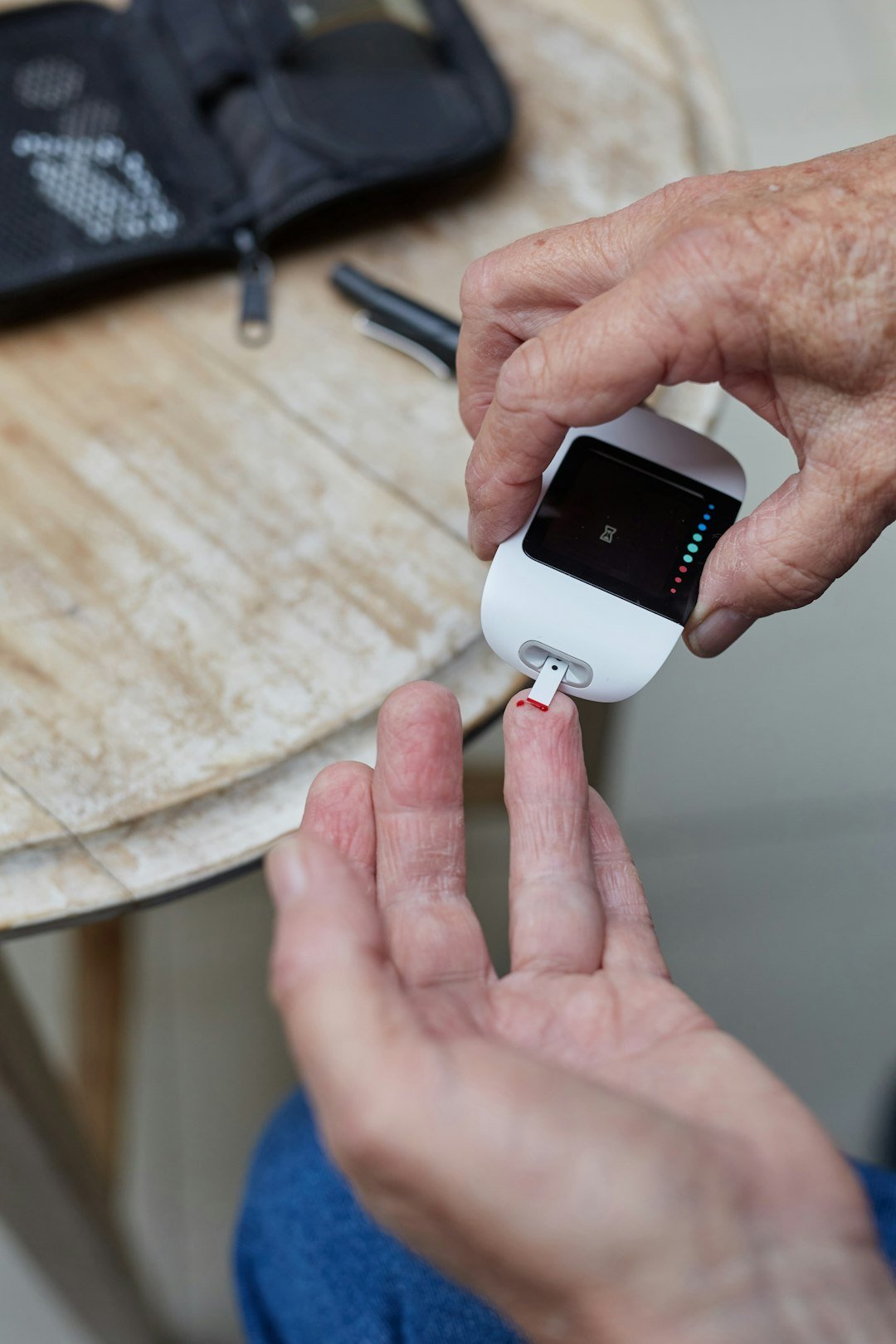
Stelo was the first over-the-counter CGM cleared by the FDA. Dexcom received that clearance in March 2024 for adults who do not use insulin. On June 12, 2026, the FDA expanded it to ages 2 and up, as MobiHealthNews reported.
Its main strengths are practical. A sensor lasts up to 15 days. Reviews report a warm-up of about 30 minutes. Manufacturer data suggest an average error near 8.3 percent, which is slightly lower than Lingo’s. It also connects with Apple Health and the Oura app, according to diaTribe.
Watch out for: Stelo does not alert you to dangerous lows, so it is not meant for people with problematic low blood sugar. Also, some sensors fail before day 15.
2. Abbott Lingo: Best Budget Option
Lingo is Abbott’s wellness CGM for adults. Abbott describes it as a tool that pairs a biosensor with app-based coaching. A sensor lasts up to 14 days and reads glucose every minute.
The first sensor costs less, so it is the cheapest way to test the idea. The app centers on a simple daily score and coaching prompts. It also syncs with Apple Health and Health Connect. Abbott says it replaces a sensor that fails before 14 days.
Watch out for: Reported accuracy is slightly lower, at about 9.3 percent. The warm-up is also longer. For a full breakdown, read our Stelo vs Lingo comparison.
3. Coaching Programs: Best for Extra Guidance
Programs such as Nutrisense, Levels and Signos bundle sensors with an app or human coaching. Some include a registered dietitian. Others focus on AI prompts. Many also arrange a prescription through a partner clinician. The hardware they use has changed over time, so ask which sensor you will receive.
These programs usually cost more than buying a sensor alone. Published prices often fall around $130 to $200 or more per month. That can be worthwhile if you want accountability. However, if you only want data, an over-the-counter sensor is usually enough.
Watch out for: Long commitments and unclear cancellation rules. Read the terms before you subscribe.
What to Avoid: «Non-Invasive» Glucose Gadgets
You may see watches or rings that claim to read blood sugar through the skin. Do not buy them for that purpose. In 2024, the FDA warned that smartwatches and smart rings that claim to measure blood glucose without piercing the skin should not be used for that. It has not authorized any such device.
Real wearables can still help. They can show your sleep, activity and heart rate. See our guides to the best fitness trackers and best smartwatches for that context.
Buying Checklist
- Check FDA status and age range. Make sure the product suits your age and situation.
- Compare sensor life. A longer life means fewer changes and less waste.
- Ask about early failures. Look for a clear replacement policy.
- Test the app. You will open it daily, so it should be easy to read.
- Check privacy. Consumer health apps may not fall under HIPAA. Read the privacy policy.
- Set a budget and an end date. Most people learn what they need in a few weeks.
Who Should Skip a Glucose Monitor
A CGM is not for everyone. Skip it, or talk to a doctor first, if you use insulin or have frequent lows. The same goes if you have a history of disordered eating. Constant number-watching can fuel anxiety around food.
Research support is also limited. A recent review of CGM use in people at high risk of diabetes found no strong evidence for broad use in people without diabetes. Our guide to a continuous glucose monitor without diabetes explains the evidence in more detail. If you already have diabetes, our pick for the best smartwatch for diabetics shows how to view readings on your wrist.
Frequently Asked Questions
What is the best glucose monitor for non-diabetics?
For most adults, Dexcom Stelo is the best all-round choice. Abbott Lingo is a good budget trial. Coaching programs suit people who want extra support.
Can I buy a CGM without a prescription?
Yes. Stelo and Lingo are sold over the counter to adults who do not use insulin.
Are these monitors accurate?
They are good at showing trends. Manufacturers report an average error of roughly 8 to 9 percent. Therefore, they are not a substitute for lab tests.
How much does a glucose monitor cost?
Expect about $3 per day for an over-the-counter sensor. Coaching programs cost more. Insurance generally does not cover wellness use.
Can a CGM diagnose prediabetes?
No. CGM data are not validated for diagnosis. Ask a healthcare professional about standard lab tests.
The Bottom Line
The best glucose monitor for non-diabetics depends on your goal. Choose Stelo for the best mix of sensor life and integrations. Choose Lingo for a cheap first trial. Consider a coaching program only if you value guidance. Above all, avoid gadgets that promise needle-free readings, and use any glucose data as a learning tool.
Sources
We do not test devices ourselves. Alongside the sources linked throughout this article (the FDA, Abbott, MobiHealthNews and diaTribe), we also drew on:
- Dexcom Stelo pricing and clinical context — HCPLive
- Independent review of over-the-counter CGM options — Wareable
Last updated: September 2026. Regulatory status, pricing and available programs change over time — always confirm current details with the manufacturer or provider.
Medical Disclaimer: This article is for informational purposes only and does not constitute medical advice. The glucose monitors described here are consumer wellness products and are not intended to diagnose, treat, cure or prevent any disease. Features, prices and regulatory status change over time, so verify details with the manufacturer. Always consult a qualified healthcare provider before making decisions about your health, especially if you have diabetes, take medication, or have a history of disordered eating.
Pingback: Continuous Glucose Monitor Without Diabetes: Worth It in 2026?
Pingback: Stelo vs Lingo: Which Over-the-Counter CGM Is Better in 2026?
Pingback: Best CGM for Weight Loss 2026: Top Platforms Compared
Pingback: Best Smartwatch for Diabetics in 2026: Watches That Work With CGMs