Affiliate Disclosure: This post may contain affiliate links. If you buy through one of them, we may earn a commission at no extra cost to you. Our picks are based on manufacturer information, regulatory announcements and published reviews. Read our full Affiliate Disclosure for details.
The Best Glucose Monitor for Non-Diabetics in 2026
The best glucose monitor for non-diabetics is no longer a mystery product locked behind a prescription. Since 2024, two continuous glucose monitors (CGMs) have been sold over the counter in the U.S. Several coaching programs now build on top of them.
That gives you real choices, and it also creates confusion. Which sensor is accurate enough? Which app helps you learn something? And which options should you avoid? This guide ranks the main options and explains the trade-offs in plain language.
Quick Answer
- Best overall: Dexcom Stelo, for longer sensor life and strong app integrations.
- Best budget trial: Abbott Lingo, for a low-cost first sensor and simple daily scoring.
- Best for guidance: a coaching program such as Nutrisense, Levels or Signos, if you want extra support and accept a higher price.
- Avoid: any watch or ring that claims to measure blood glucose without a sensor under the skin.
How We Chose
We compared each option on five points. First, regulatory status. Second, sensor life and reported accuracy. Third, app quality. Fourth, total cost. Finally, safety limits. Our analysis relies on manufacturer information, FDA announcements and independent reviews. We did not run lab tests ourselves.
Best Glucose Monitors for Non-Diabetics at a Glance
| Option | Best for | Sensor life | Approximate cost* |
|---|---|---|---|
| Dexcom Stelo | Overall value and integrations | Up to 15 days | About $89 to $99 per month |
| Abbott Lingo | Low-cost trial and coaching score | Up to 14 days | About $49 per sensor, $89 for two |
| Coaching programs | Extra guidance and accountability | Varies by program | Often about $130 to $200 or more per month |
*Prices change often and vary by plan. Confirm current pricing with each provider.
1. Dexcom Stelo: Best Overall
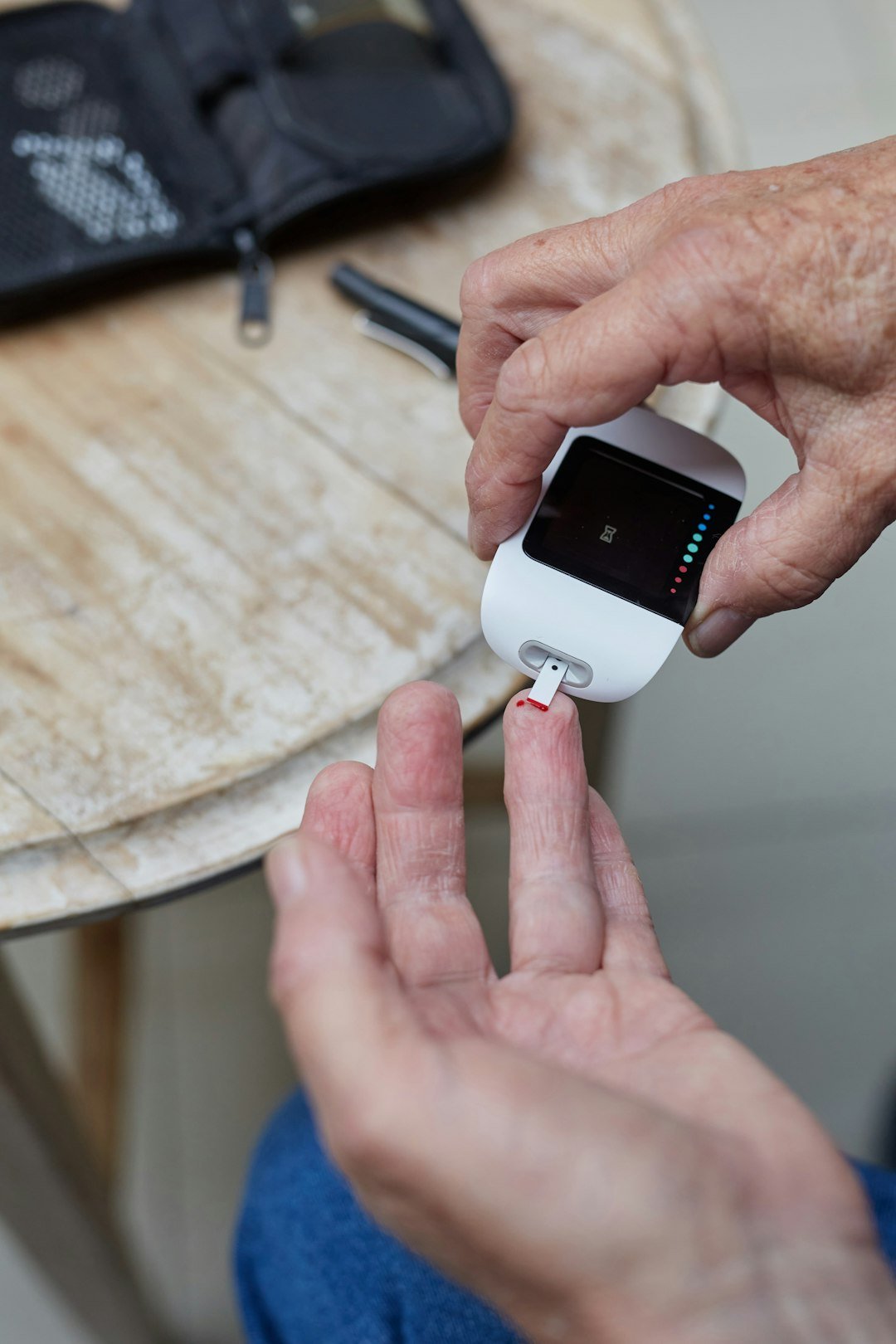
Stelo was the first over-the-counter CGM cleared by the FDA. Dexcom received that clearance in March 2024 for adults who do not use insulin. On June 12, 2026, the FDA expanded it to ages 2 and up, as MobiHealthNews reported.
Its main strengths are practical. A sensor lasts up to 15 days. Reviews report a warm-up of about 30 minutes. Manufacturer data suggest an average error near 8.3 percent, which is slightly lower than Lingo’s. It also connects with Apple Health and the Oura app, according to diaTribe.
Watch out for: Stelo does not alert you to dangerous lows, so it is not meant for people with problematic low blood sugar. Also, some sensors fail before day 15.
2. Abbott Lingo: Best Budget Option
Lingo is Abbott’s wellness CGM for adults. Abbott describes it as a tool that pairs a biosensor with app-based coaching. A sensor lasts up to 14 days and reads glucose every minute.
The first sensor costs less, so it is the cheapest way to test the idea. The app centers on a simple daily score and coaching prompts. It also syncs with Apple Health and Health Connect. Abbott says it replaces a sensor that fails before 14 days.
Watch out for: Reported accuracy is slightly lower, at about 9.3 percent. The warm-up is also longer. For a full breakdown, read our Stelo vs Lingo comparison.
3. Coaching Programs: Best for Extra Guidance
Programs such as Nutrisense, Levels and Signos bundle sensors with an app or human coaching. Some include a registered dietitian. Others focus on AI prompts. Many also arrange a prescription through a partner clinician. The hardware they use has changed over time, so ask which sensor you will receive.
These programs usually cost more than buying a sensor alone. Published prices often fall around $130 to $200 or more per month. That can be worthwhile if you want accountability. However, if you only want data, an over-the-counter sensor is usually enough.
Watch out for: Long commitments and unclear cancellation rules. Read the terms before you subscribe.
What to Avoid: “Non-Invasive” Glucose Gadgets
You may see watches or rings that claim to read blood sugar through the skin. Do not buy them for that purpose. In 2024, the FDA warned that smartwatches and smart rings that claim to measure blood glucose without piercing the skin should not be used for that. It has not authorized any such device.
Real wearables can still help. They can show your sleep, activity and heart rate. See our guides to the best fitness trackers and best smartwatches for that context.
Buying Checklist
- Check FDA status and age range. Make sure the product suits your age and situation.
- Compare sensor life. A longer life means fewer changes and less waste.
- Ask about early failures. Look for a clear replacement policy.
- Test the app. You will open it daily, so it should be easy to read.
- Check privacy. Consumer health apps may not fall under HIPAA. Read the privacy policy.
- Set a budget and an end date. Most people learn what they need in a few weeks.
Who Should Skip a Glucose Monitor
A CGM is not for everyone. Skip it, or talk to a doctor first, if you use insulin or have frequent lows. The same goes if you have a history of disordered eating. Constant number-watching can fuel anxiety around food.
Research support is also limited. A recent review of CGM use in people at high risk of diabetes found no strong evidence for broad use in people without diabetes. Our guide to a continuous glucose monitor without diabetes explains the evidence in more detail. If you already have diabetes, our pick for the best smartwatch for diabetics shows how to view readings on your wrist.
What a CGM Actually Measures
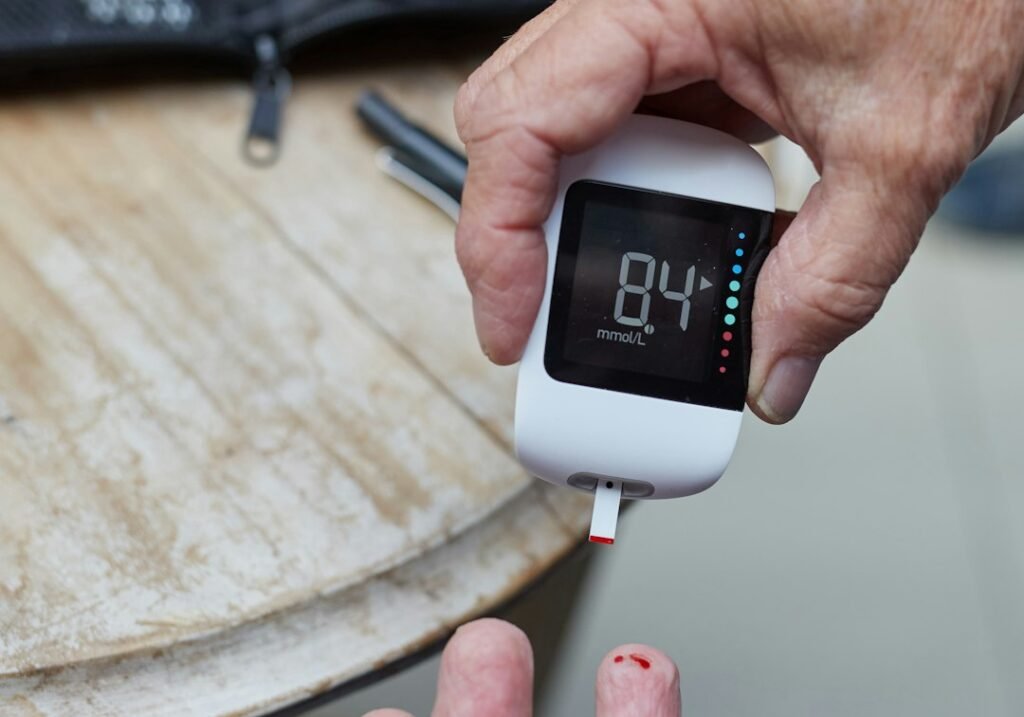
A CGM is a small sensor worn on the back of your upper arm. A thin filament under the skin measures glucose in the fluid between your cells. The sensor then sends readings to an app on your phone. There are no finger sticks.
Two details matter here. First, the sensor measures interstitial fluid, not blood. Therefore, readings can lag behind a blood test by several minutes. Second, every CGM has a margin of error. Both manufacturers report an average difference from lab values of roughly 8 to 9 percent (known as MARD). That works well for spotting trends. However, it is not a lab test.
What the Research Says About CGMs Without Diabetes
The evidence for CGMs in people who take insulin is strong. For people without diabetes, the picture is far less settled.
A recent review of CGM use in people at high risk of diabetes found no strong evidence for broad use. It did report promising results in specific groups, such as people with obesity or prediabetes. However, the authors said larger studies are needed. They also noted that CGM data are not validated for diagnosing diabetes.
Breakthrough T1D made a similar point in 2026. Over-the-counter sensors reflect growing interest beyond insulin users. Even so, the field is not yet fully supported by clinical guidelines.
One more finding is useful. A large study in Nature Communications reported that people without diabetes spend about 93 to 99 percent of their time between roughly 70 and 140 mg/dL. In other words, glucose swings are normal, especially after meals. An app that flags every “spike” can make ordinary changes look alarming.
Potential Benefits
- Personal awareness. You can see how a meal, a bad night of sleep or an evening walk lines up with your own curve.
- Motivation. Some people find real-time feedback makes healthy habits easier to keep.
- A conversation starter. Unexpected readings are a reason to ask your doctor about proper lab tests. They are not a diagnosis.
Drawbacks to Consider
- Cost. At roughly $3 per day, a few months add up. Insurance generally does not cover these wellness sensors.
- Accuracy limits. Sensors can read low when you sleep on your arm, for example.
- Sensor failures. Neither company promises that every sensor lasts the full period. Abbott says it replaces a Lingo sensor that fails before 14 days.
- Skin reactions. In the FDA’s review of Stelo, reported problems were mild. They included irritation, pain and local infection.
- Data anxiety. Watching every number can lead to overly restrictive eating. Therefore, people with a history of disordered eating should talk to a clinician first.
- No urgent alerts. The FDA notes that Stelo is not meant for people with problematic low blood sugar, because it gives no alerts for dangerous lows.
How to Run a Smart Two-Week Experiment
- Start with one question. For example, ask how your usual breakfast affects you.
- Eat normally at first. A few baseline days show your typical pattern.
- Change one thing at a time. Try a walk after dinner instead of overhauling everything.
- Look at patterns. A single high reading means very little.
- Stop when you have learned enough. Most people do not need a CGM permanently.
Using a CGM for Weight Loss
How CGMs Are Supposed to Help With Weight Loss
The theory is straightforward. Large, frequent blood sugar swings are linked to hunger and cravings shortly afterward. A CGM lets you see which specific foods and combinations spike your glucose the most, so you can adjust portions, pairings or timing rather than following generic advice. Over weeks, that personal feedback loop is meant to build habits that stick.
The evidence for this approach in people without diabetes is still developing. A combination of wearable sensors and app-based coaching has been associated with modest average weight loss over a year in published analyses, meaningfully less than what GLP-1 medications typically produce in clinical trials. In other words, a CGM is a behavior-change tool, not a weight-loss drug, and it works best alongside a real dietary plan rather than in place of one.
Signos: Best Purpose-Built for Weight Loss
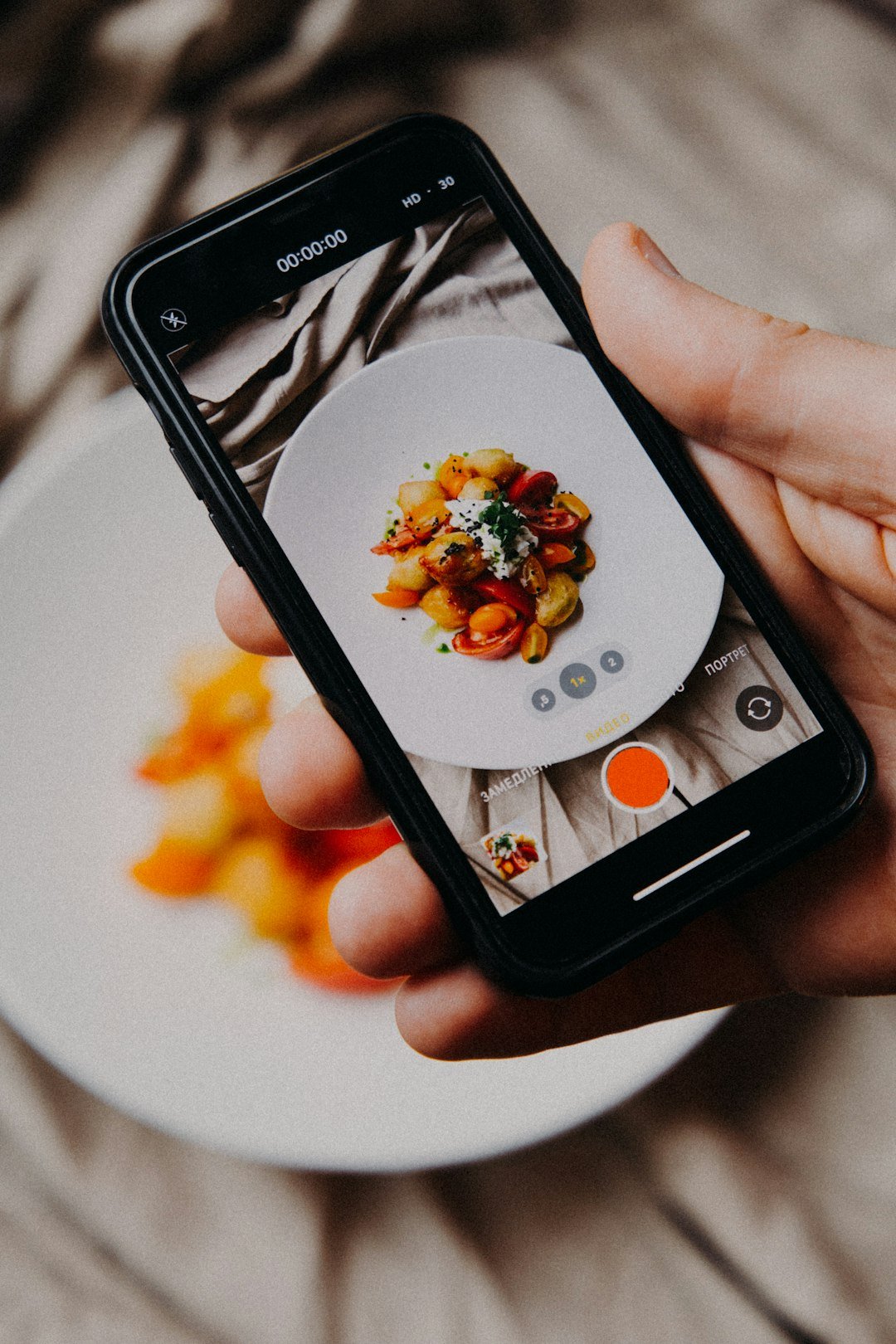
Signos is the only platform on this list with an FDA-cleared glucose monitoring system specifically indicated to help detect glucose patterns useful for maintaining a healthy weight. It pairs a Dexcom sensor with an app that logs meals by photo or barcode, times exercise around your glucose response and offers an optional program that connects users with independent clinicians for GLP-1 prescriptions when appropriate.
The narrow focus is both its strength and its limit. If weight loss is genuinely your main goal, the app stays relevant every day. If you are more curious about general metabolic health, the constant weight-loss framing can feel repetitive.
Nutrisense: Best for Human Coaching
Nutrisense pairs your CGM data with a registered dietitian you can message directly through the app. For many people trying to lose weight, that human accountability matters more than another chart. New members typically get an initial coaching period included, and ongoing dietitian access is a core part of every plan rather than an add-on.
This makes Nutrisense a strong choice if you have tried CGM data alone in the past and found it interesting but not actionable on your own.
Levels: Best for Data-Driven Self-Guidance
Levels is built around a Metabolic Score and a detailed, gamified breakdown of how food, sleep and exercise affect your glucose curve. It offers tiered plans, from a basic option where you supply your own sensor logistics to higher tiers that add lab testing and expert support. There is no dedicated weight-loss program, but the depth of the data appeals to people who want to draw their own conclusions rather than follow a structured plan.
Choose Levels if you already understand nutrition reasonably well and want the most detailed metabolic dashboard to fine-tune your own approach.
What the Evidence Actually Supports
It helps to set realistic expectations. Clinical trials of GLP-1 medications have shown substantially larger average weight loss than lifestyle interventions alone, including CGM-based coaching. That does not make a CGM useless. It means a CGM is best understood as a tool that can support a weight-loss plan, including one that involves medication, rather than an independent treatment.
Insurance generally does not cover CGM use for weight management in people without diabetes, so treat the monthly cost as an out-of-pocket wellness expense. Most platforms here are HSA/FSA eligible, which can soften that cost.
Frequently Asked Questions
What is the best glucose monitor for non-diabetics?
For most adults, Dexcom Stelo is the best all-round choice. Abbott Lingo is a good budget trial. Coaching programs suit people who want extra support.
Can I buy a CGM without a prescription?
Yes. Stelo and Lingo are sold over the counter to adults who do not use insulin.
Are these monitors accurate?
They are good at showing trends. Manufacturers report an average error of roughly 8 to 9 percent. Therefore, they are not a substitute for lab tests.
How much does a glucose monitor cost?
Expect about $3 per day for an over-the-counter sensor. Coaching programs cost more. Insurance generally does not cover wellness use.
Can a CGM diagnose prediabetes?
No. CGM data are not validated for diagnosis. Ask a healthcare professional about standard lab tests.
The Bottom Line
The best glucose monitor for non-diabetics depends on your goal. Choose Stelo for the best mix of sensor life and integrations. Choose Lingo for a cheap first trial. Consider a coaching program only if you value guidance. Above all, avoid gadgets that promise needle-free readings, and use any glucose data as a learning tool.
Sources
We do not test devices ourselves. Alongside the sources linked throughout this article (the FDA, Abbott, MobiHealthNews and diaTribe), we also drew on:
- Dexcom Stelo pricing and clinical context — HCPLive
- Independent review of over-the-counter CGM options — Wareable
- Abbott Lingo US launch and pricing — NBC DFW
Last updated: September 2026. Regulatory status, pricing and available programs change over time — always confirm current details with the manufacturer or provider.
Medical Disclaimer: This article is for informational purposes only and does not constitute medical advice. The glucose monitors described here are consumer wellness products and are not intended to diagnose, treat, cure or prevent any disease. Features, prices and regulatory status change over time, so verify details with the manufacturer. Always consult a qualified healthcare provider before making decisions about your health, especially if you have diabetes, take medication, or have a history of disordered eating.