Affiliate Disclosure: This post may contain affiliate links. If you buy through one of them, we may earn a commission at no extra cost to you. Read our full Affiliate Disclosure for details.
Wrist and ring sensors are not the gold standard for sleep. In-lab polysomnography, which tracks brain waves, breathing and eye movement, is still what doctors use to diagnose sleep disorders. But peer-reviewed comparisons against polysomnography give us something useful: a real ranking of which consumer sleep trackers come closest, and which fall short.
This guide picks the best sleep trackers of 2026 based on that published research, plus manufacturer specifications and independent hands-on reviews, not just marketing claims.
Quick Answer: Our Top Picks
- Best overall: Oura Ring 5, the most consistent performer across independent accuracy studies
- Best for athletes and recovery: WHOOP 5.0/MG, screenless and built around a nightly recovery score
- Best if you already want a smartwatch: Apple Watch, strong for wake detection, weaker for deep sleep
- Best budget pick: Fitbit Inspire 3, solid basics with no required subscription
- Best non-wearable option: A bedside or under-mattress sensor, for anyone who doesn’t want to wear anything to bed
What the Research Actually Shows
A 2024 study published in the journal Sensors, funded by Oura but conducted independently by researchers at Brigham and Women’s Hospital, compared the Oura Ring, Apple Watch and Fitbit Sense against polysomnography. It found Oura about 5% more accurate than Apple Watch and 10% more accurate than Fitbit in four-stage sleep classification, with the highest sensitivity for both wake detection and deep sleep detection.
A separate, independently funded sleep-lab study covered by health outlets in 2026 tested 15 wearables, including Garmin, Whoop and several rings, against polysomnography. It found Oura the most consistent across all sleep stages, Whoop’s newer algorithm close behind, and Apple Watch strong at detecting wake time but weaker specifically at deep sleep. Garmin ranked mid-to-low tier in that same test.
A broader 2025 meta-analysis in the Journal of Clinical Sleep Medicine, the official journal of the American Academy of Sleep Medicine, reviewed multiple wrist-worn trackers and concluded that, while useful for spotting general patterns, none of them match polysomnography for measuring total sleep time, efficiency or sleep latency. That’s a useful reality check on the whole category, not just any one device.
Comparison Table
| Tracker | Type | Strongest at | Subscription |
|---|---|---|---|
| Oura Ring 5 | Smart ring | Overall consistency, deep sleep detection | Required |
| WHOOP 5.0/MG | Screenless band | Recovery scoring, REM and light sleep | Required |
| Apple Watch | Smartwatch | Wake detection | Not required |
| Fitbit Inspire 3 | Budget band | Value, no required fee | Optional |
| Garmin (most models) | Watch/band | Battery life, training context | Not required |
1. Oura Ring 5: Best Overall
Across more than one independent accuracy study, Oura’s ring has come out on top or near the top for matching polysomnography, particularly for deep sleep and wake detection. It pairs that with a widely praised app that turns sleep, HRV and temperature data into a daily Readiness score. The trade-off is cost: a ring plus a required monthly or annual membership. See our full Oura Ring 4 vs Ring 5 comparison if you’re deciding between generations, or our best sleep tracker rings guide for other ring options.
2. WHOOP 5.0/MG: Best for Athletes and Recovery
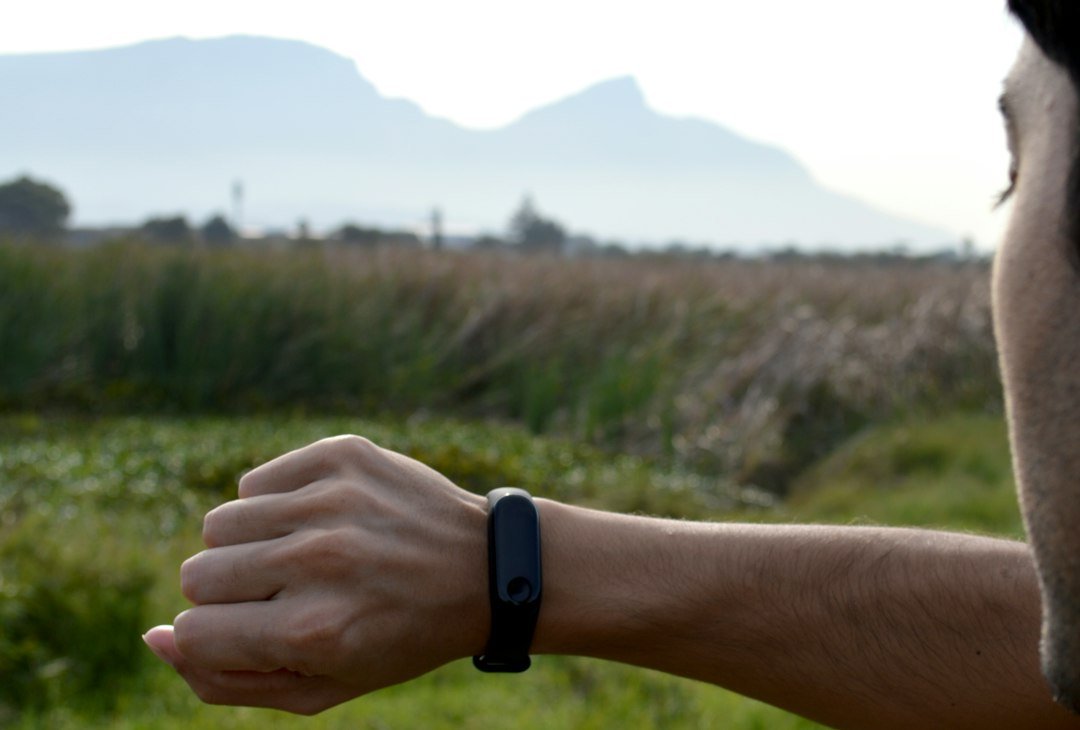
WHOOP skips the screen entirely and focuses on turning sleep and HRV data into a daily Strain and Recovery score. In sleep-lab testing, its newer algorithm performed close to Oura for REM and light sleep, though it lagged in detecting wake time. It suits people who want their sleep data tied directly to training guidance. Compare it directly with a ring in our Oura Ring vs Whoop guide, or with Fitbit’s screenless option in our Whoop vs Fitbit for recovery comparison.
3. Apple Watch: Best If You Want One Device for Everything
If you already wear an Apple Watch, its sleep tracking is a reasonable add-on rather than a reason to buy a separate device. Independent lab testing found it strong at detecting when you’re awake, but it tended to overestimate light and deep sleep compared with polysomnography. It’s a good «good enough» option, not the most accurate on this list.
4. Fitbit Inspire 3: Best Budget Pick
Fitbit’s sleep-staging algorithm hasn’t topped the independent studies here, but the Inspire 3 covers the basics well (sleep stages, resting heart rate, a nightly sleep score) at a fraction of the cost of a ring or screenless band, with no subscription required for its core features. For more budget options, see our best budget fitness tracker guide.
5. Garmin: Best for Battery Life and Training Context
Garmin watches generally ranked mid-to-low tier for raw sleep-stage accuracy in independent lab testing, but they pair sleep data with Garmin’s Body Battery energy score and training tools, and most models last well over a week per charge without a required subscription. If sleep is your only priority, it’s not the top pick on accuracy; if you also train seriously, the added context can be worth the trade-off.
How to Choose a Sleep Tracker
- Decide if you want to wear something to bed. A ring is the least intrusive option for most people; a watch or band is bulkier.
- Check the subscription. Oura and Whoop both require ongoing membership fees to see most of their insights. Fitbit and Garmin do not.
- Don’t over-trust the deep sleep number. Even the most accurate consumer trackers are estimates, and different independent studies rank devices differently depending on the metric.
- Think about what you’ll actually do with the data. Athletes benefit most from Whoop’s or Garmin’s training-linked scores; if you just want to know whether you’re sleeping enough, a simpler, cheaper tracker may be enough.
Frequently Asked Questions
What is the most accurate sleep tracker?
Across multiple independent studies comparing consumer devices to polysomnography, the Oura Ring has consistently ranked at or near the top, particularly for deep sleep and wake detection, though results vary by study and by metric.
Are sleep trackers accurate enough to diagnose a sleep disorder?
No. A 2025 meta-analysis in the Journal of Clinical Sleep Medicine found that wrist-worn trackers are not as reliable as polysomnography for key sleep measurements. They’re useful for spotting general patterns, not for diagnosis.
Do I need to pay a subscription for sleep tracking?
Not always. Oura and Whoop require a membership for most insights. Fitbit and Garmin provide core sleep tracking without a required fee.
Is a ring better than a watch for sleep tracking?
Independent testing has generally favored ring form factors for sleep-stage accuracy, and many people find a ring more comfortable to wear overnight than a watch.
The Bottom Line
Based on published, independent accuracy research rather than marketing claims, the Oura Ring 5 is the best overall sleep tracker for most people, with WHOOP a strong alternative for athletes and Fitbit Inspire 3 the best low-cost option. Whichever you choose, treat the nightly score as a trend to watch, not a clinical result.
Last updated: September 2026.
This article was researched and written by our editorial team using the sources below, following the process described on our About Us page. It is not written or reviewed by a medical professional.
Sources
- Sleep Review — Oura Ring, Apple Watch and Fitbit sleep accuracy study (Sensors, Brigham and Women’s Hospital)
- How Do Garmin, Apple Watch, Oura Ring and Whoop Compare in Sleep Tracking — 15-wearable sleep lab study
- Journal of Clinical Sleep Medicine — Meta-analysis of wrist-worn sleep trackers vs polysomnography
Medical Disclaimer: This article is for informational purposes only and does not constitute medical advice. Consumer sleep trackers are wellness devices, not medical devices, and are not a substitute for polysomnography or a clinical sleep evaluation. Always consult a qualified healthcare provider if you have concerns about your sleep or suspect a sleep disorder.